

Why Every Sailor Should Learn Sailboat Rigging Basics
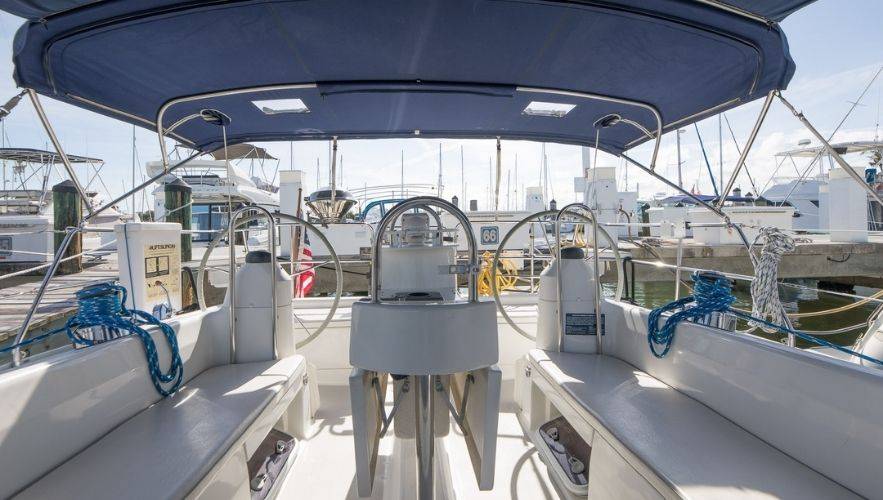
Sailboat rigging is the backbone of every sailing experience — it’s what transforms wind into motion, stability, and control. Yet, many beginner sailors overlook the importance of understanding their rigging systems, relying instead on others to set up or inspect their boats. In truth, knowing how to rig a sailboat isn’t just a matter of independence — it’s about safety, seamanship, and skill.
At Miami Sailing School™, we teach that mastering the fundamentals of rigging is one of the most empowering steps a sailor can take. This sailboat rigging guide explains why every sailor should learn the basics, what equipment is involved, and how to set up and maintain your rig with confidence.
Understanding Sailboat Rigging: The Foundation of Sailing
Before diving into the process, let’s clarify what rigging really means. Rigging refers to all the ropes, wires, and hardware that support the sails and mast, allowing you to control your boat’s sailshape, direction, and speed.
In simple terms, rigging is what makes a sailboat sail. It’s divided into two main categories:
Standing Rigging
Standing rigging supports the mast and keeps it upright. These components are usually made of stainless-steel cables and include:
- Shrouds – Wires that hold the mast laterally (side to side).
- Stays – Cables that support the mast fore and aft (front and back).
- Turnbuckles – Adjustable tensioners used to fine-tune the rig.
Running Rigging
Running rigging controls the sails and is adjusted during sailing. These are the lines (ropes) that sailors use most often:
- Halyards – Used to hoist sails up the mast.
- Sheets – Used to trim sails for wind direction.
- Boom vang, outhaul, and downhaul – Control sail shape and tension.
Whether you’re sailing a small dinghy or a 40-foot cruiser, the same principles apply. Understanding both standing and running rigging helps you diagnose issues quickly, optimize sail performance, and sail more safely.
Why Learning Rigging Basics Matters

1. Safety at Sea
A loose shroud, frayed halyard, or poorly tied knot can lead to serious trouble on the water. Learning rigging for beginners ensures you can spot potential failures before they happen. A secure rig not only supports your sails but protects your mast — one of the most expensive parts of any boat.
2. Independence and Confidence
Knowing how to rig a sailboat from start to finish means you’re not reliant on others. You’ll be able to step onto any vessel, identify its systems, and operate safely. Confidence in your rigging translates to confidence in your sailing.
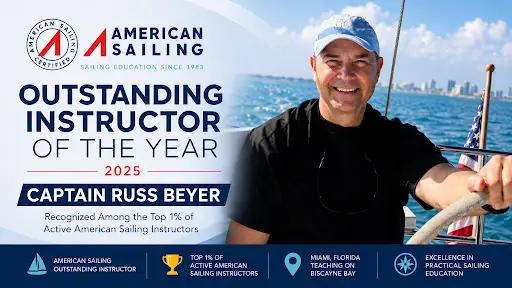
Our team of ASA-certified instructors, led by Captain Russ Beyer, brings decades of sailing experience and knowledge. With his extensive corporate leadership and sailing background, Captain Russ ensures you receive the highest-quality sailing instruction. His passion for sailing and deep understanding of the American Sailing Association standards make him an exceptional mentor for aspiring sailors. His expertise and dedication to teaching will inspire you to achieve your sailing goals and beyond.
3. Better Sail Performance
Even small adjustments in rig tension or sail trim can drastically change how your boat handles. By understanding your rigging, you’ll learn to fine-tune sails for maximum speed and balance — a skill every seasoned sailor values.
4. Cost Savings
Sailboats require regular maintenance, and rigging inspections can be expensive if done externally. Learning to assess and maintain your own rig saves time and money — while also deepening your connection to your boat.
A Step-by-Step Sailboat Rigging Guide
Whether you’re rigging a day sailer or a cruising yacht, following a systematic approach is essential. Below is a simplified version of the process we teach in our Miami Sailing School™ courses.
Step 1: Prepare Your Equipment
Before stepping the mast or attaching sails, gather and inspect all rigging components. Check for:
- Frayed lines or cables
- Loose shackles or pins
- Corrosion on metal fittings
- Properly coiled and organized ropes
Having everything laid out ensures a smooth setup and minimizes errors.
Step 2: Step the Mast
For smaller boats, this involves physically lifting and securing the mast in its base. For larger sailboats, cranes or assisted systems are used.Attach the forestay first to stabilize the mast, followed by the side shrouds and backstay. Use turnbuckles to evenly tension each cable.
💡 Pro Tip
Never over-tighten rigging. The mast should be straight with slight flexibility — too much tension can damage fittings or distort the mast shape.
Step 3: Attach the Boom and Running Rigging
Secure the boom to the mast with the gooseneck fitting, then connect the main halyard and sheet systems. Run halyards through their respective pulleys and ensure they move freely.
Label lines if you’re new to rigging — it’s an easy way to remember what each one controls during early practice.
Step 4: Hoist and Trim the Sails
Once the standing rigging is secure, attach the mainsail and jib (or genoa). Use halyards to hoist them smoothly, then trim the sheets according to wind direction. Ensure the sails are not twisted, and lines run cleanly through blocks and fairleads
Step 5: Final Tension Check
Before sailing, walk around your boat and perform a final inspection. Make sure:
- All cotter pins are in place
- Lines are free of knots or kinks
- The mast is centered and vertical
- The boom vang and outhaul are properly tensioned
Following this rigging for beginners checklist helps prevent the most common on-the-water issues.
Maintaining Your Rigging for Longevity and Safety

Inspect Regularly
Conduct a full rigging inspection at least twice a year — more often in tropical climates like Miami, where salt air accelerates corrosion. Look for frayed cables, rusted fittings, and UV damage on ropes.
Clean and Lubricate
Rinse all rigging with fresh water after each sail to remove salt buildup. Lightly lubricate turnbuckles and shackles with marine-grade products to keep them moving smoothly..
Replace When in Doubt
Rigging components have a lifespan, typically every 7–10 years, depending on usage. If you’re unsure about the age or condition of your standing rigging, consult a professional rigger or take a Miami Sailing School™ maintenance workshop for hands-on guidance.
How to Learn Rigging the Right Way
There’s no substitute for practice. Reading a sailboat rigging guide helps, but real understanding comes from handling lines, setting up masts, and troubleshooting real-world issues under the guidance of an instructor.
At Miami Sailing School™, students learn to:
- Identify and name every rigging component
- Step and unstep masts safely
- Tension shrouds and stays correctly
- Understand sail shape and trim
- Apply practical rigging techniques on various sailboats
Our instructors emphasize safety, efficiency, and confidence, helping sailors progress from beginners to capable skippers who understand their boats from bow to stern.
Common Rigging Mistakes to Avoid
Even seasoned sailors make errors. Here are a few to watch for:
- Ignoring Tension Balance – Uneven rig tension can cause poor sail shape or even mast bend.
- Neglecting Chafe Protection – Always use chafe guards on lines that rub against hardware.
- Over-Tightening Lines – Tension should be firm but not rigid; over-tightening stresses fittings.
- Skipping Inspections – A five-minute check before departure can prevent hours of trouble later.
Learning how to rig a sailboat properly from the start builds good habits that carry through your sailing journey.
Advancing Your Skills at Miami Sailing School™
Understanding your rigging is one of the first steps toward true seamanship. Whether you’re a beginner learning to sail or a student pursuing advanced certifications, Miami Sailing School™ offers tailored training designed for South Florida’s unique sailing environment. Our programs combine classroom instruction with hands-on experience aboard real vessels, allowing students to practice rigging, sail handling, and maintenance under expert supervision. From small keelboats to offshore cruisers, our curriculum emphasizes the importance of sailing knowledge, preparation, and safety — the pillars of every confident sailor.
Final Thoughts
Learning sailboat rigging basics isn’t just about ropes and cables — it’s about understanding the relationship between your boat and the wind. By knowing how to rig a sailboat, you take control of your sailing experience, ensuring safety, efficiency, and enjoyment every time you set sail. Whether you’re new to sailing or looking to refresh your skills, exploring rigging for beginners is one of the smartest investments you can make in your maritime education. And when you’re ready to go beyond the basics, Miami Sailing School™ is here to guide you — line by line, knot by knot.
Additional Resources
Why Every Sailor Should Learn Sailboat Rigging Basics FAQs
Standing rigging holds the mast in place (shrouds, stays), while running rigging controls the sails (halyards, sheets). Both are vital for balance and control.
Inspect your rigging every few months, and especially before long trips. In Miami’s salty environment, twice-yearly professional checks are recommended.
Absolutely. With hands-on instruction, anyone can learn rigging for beginners. Start with small sailboats and practice under guidance.
Yes! Rigging fundamentals are part of every core course at Miami Sailing School™, from beginner certification to advanced seamanship programs.