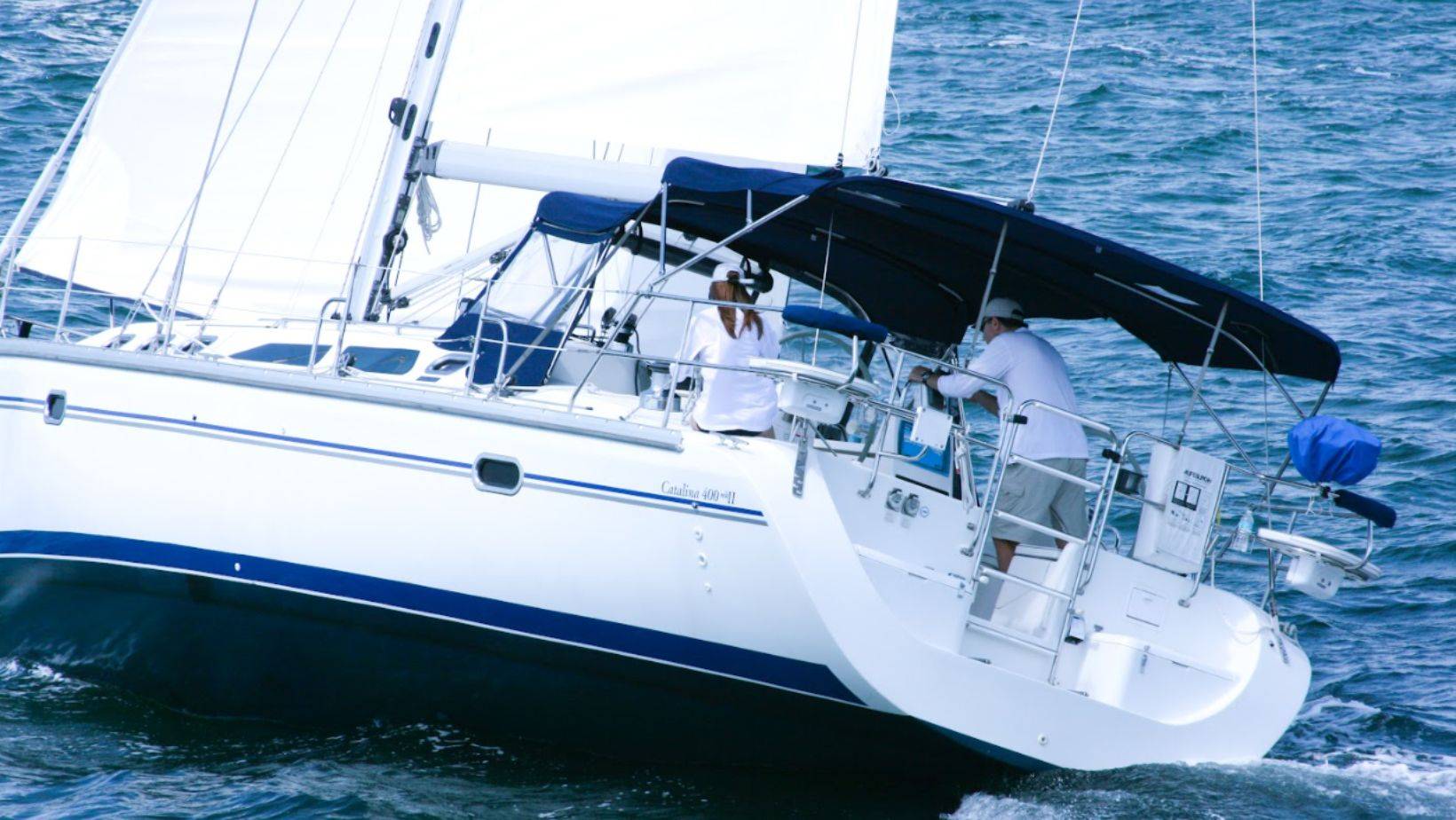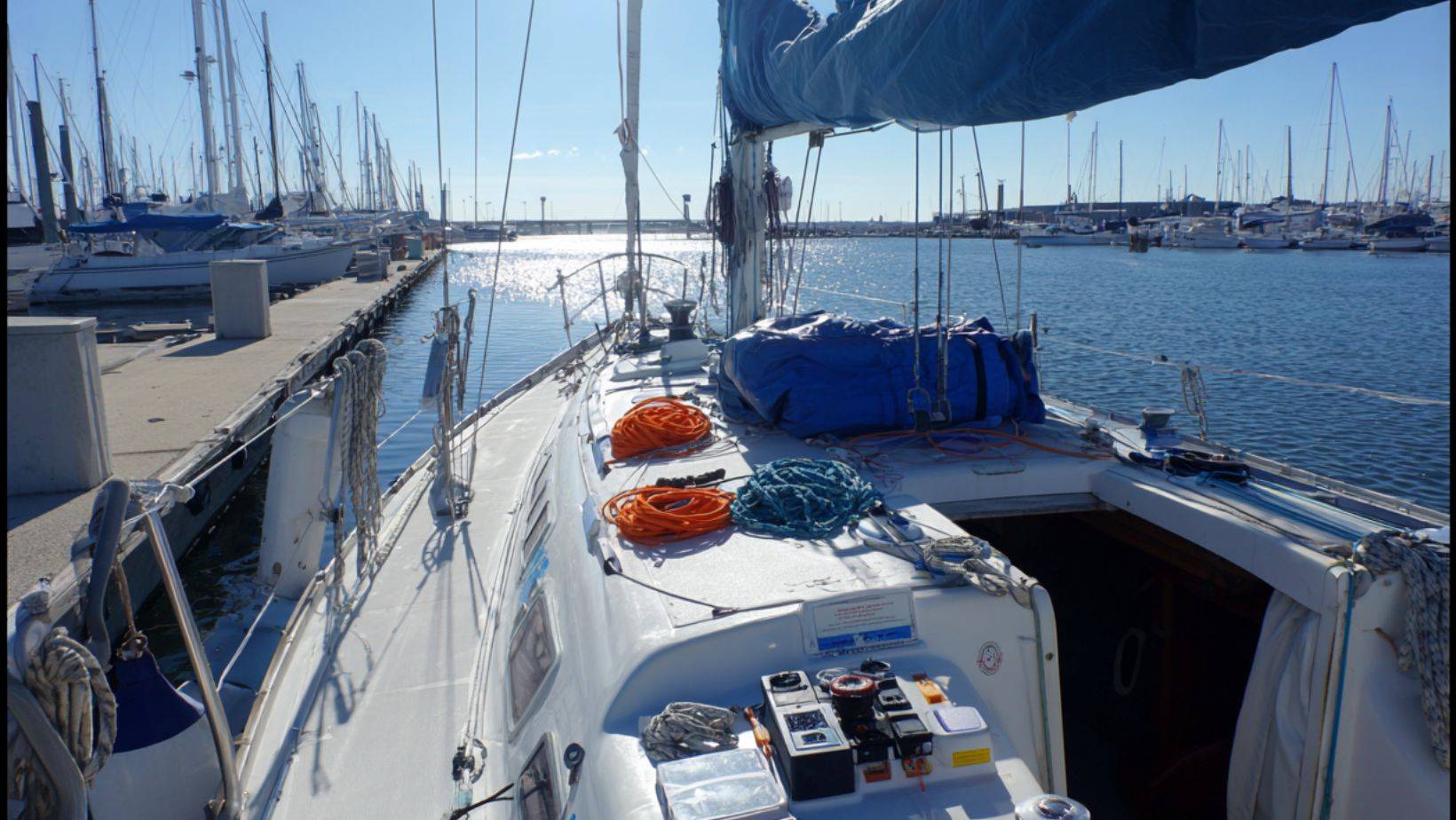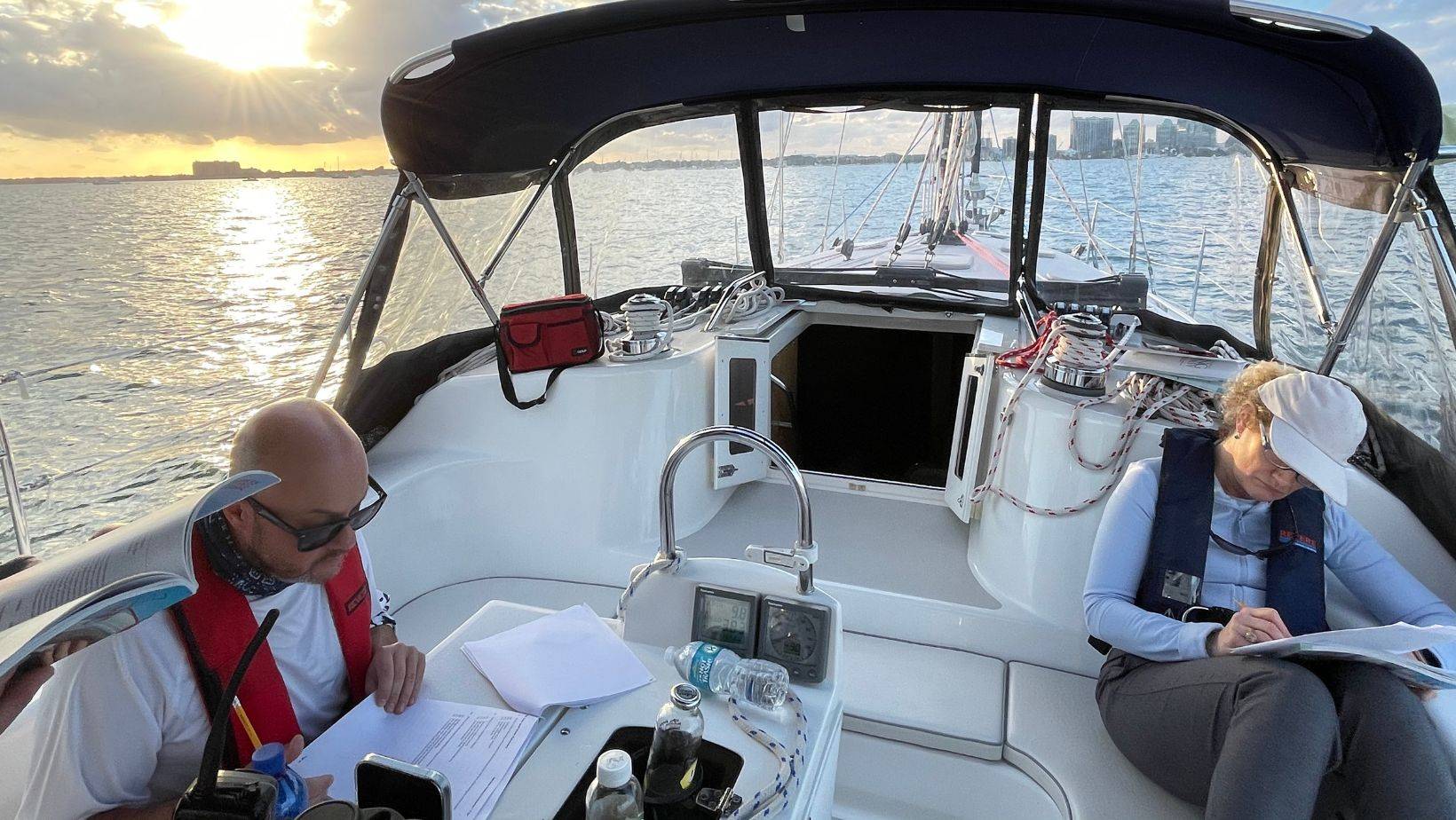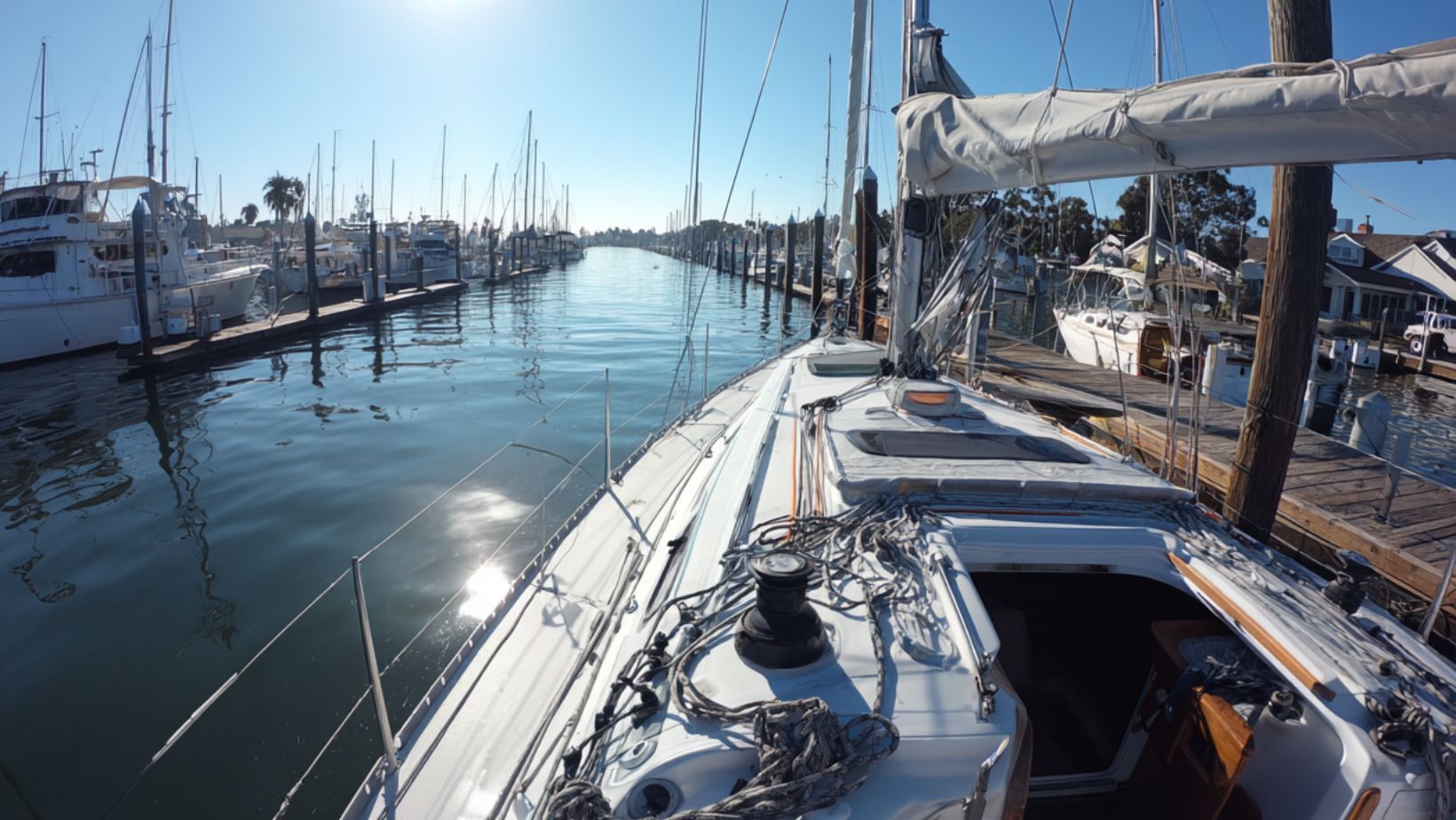


Whether you’re a new owner or an experienced sailor looking to refine your maintenance routine, this guide walks through practical, season-by-season steps to protect your boat. Designed specifically for boat owners in warm climates, these tips incorporate real-world guidance supported by national resources such as the American Sailing Association , World Sailing, and US Sailing . Together, these insights will help you stay ahead of wear, weather, and environmental challenges common in South Florida.
Why Seasonal Sailboat Maintenance Matters
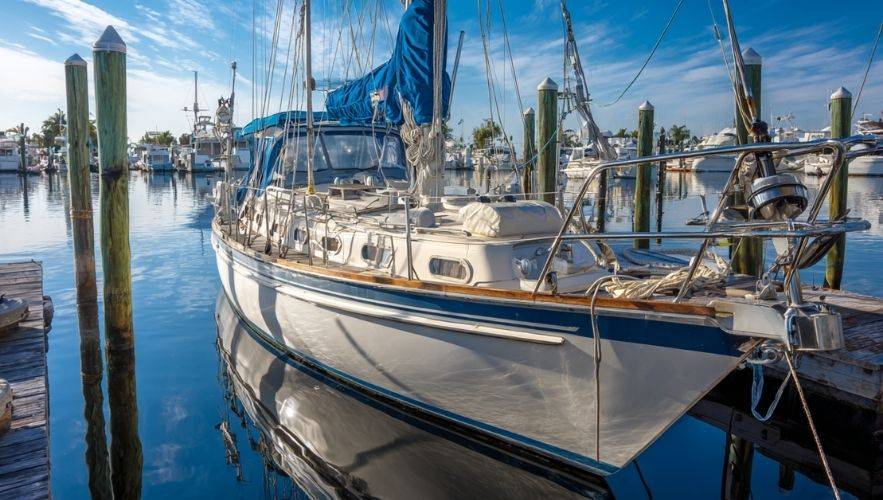
While Miami enjoys year-round boating conditions, the climate introduces unique maintenance challenges such as strong UV exposure, salt corrosion, tropical humidity, and seasonal storms. Performing sailboat maintenance seasonally helps identify issues before they escalate and ensures your boat remains safe and ready for the water.
A seasonal approach helps you:
- Prevent long-term hull and engine damage
- Maintain optimal performance
- Protect electrical and mechanical systems
- Reduce the impact of saltwater and sunshine
- Prepare for weather changes and storm activity
- Extend the life of sails, rigging, and onboard equipment
At Miami Sailing School™, instructors emphasize the importance of proactive maintenance as part of good seamanship. Regular checks not only safeguard your investment but also give you greater peace of mind every time you leave the dock.
Spring Maintenance: Preparing for Peak Boating Season
Spring is the ideal time to prepare your boat for more frequent outings. Even in Miami’s warm climate, seasonal transitions can affect everything from hull condition to electronics.
Inspecting and Cleaning the Hull
Start with a thorough hull inspection. Look for blisters, cracks, or signs of growth. Clean the hull to remove any buildup, and apply fresh antifouling paint if needed. Miami’s warm waters accelerate marine growth, making hull maintenance essential for performance and fuel efficiency.
Rigging and Sail Examination
UV damage is a major consideration in Miami. Inspect sails for wear, stitching breakdown, or thinning fabric. Examine standing and running rigging for frayed lines, cracked turnbuckles, or corrosion. At Miami Sailing School™, sailors are taught to review rigging seasonally to prevent gear failure under load.
Safety Gear Check
Spring is a good time to inspect all safety equipment. Check expiration dates on flares, inspect life jackets, test bilge pumps, and verify that fire extinguishers are charged and accessible. Refer to U.S. Coast Guard guidelines at https://www.uscg.mil/ for equipment standards.
Summer Maintenance: Managing Heat, UV Exposure & Heavy Use
Summer is Miami’s busiest—and harshest—boating season. High UV levels, heat, and humidity can accelerate wear on every part of your sailboat.
Protecting Against UV and Salt Damage
Use UV covers for sails, electronics, and winches. Rinse your boat after every sail, paying special attention to metal fittings. Salt buildup leads to corrosion, stiffness in lines, and premature equipment failure. At Miami Sailing School™, frequent freshwater rinsing is taught as a standard part of boat upkeep Miami habits.
Engine and Cooling System Care
Check coolant levels and inspect hoses for soft spots or leaks. Heat strains engines, making summer maintenance essential. Clean raw-water strainers regularly and ensure ample water flow for cooling.
Interior Ventilation
Humidity can lead to mold and mildew inside the cabin. Keep hatches open when possible, run fans, and use moisture absorbers to protect upholstery and electronics.
Fall Maintenance: Transitioning Into Storm Season
Fall in Miami brings shifting weather, including tropical activity. By focusing on preventive care, you reduce the risk of unexpected breakdowns and storm-related damage.
Storm Preparation and Securing Gear
Inspect dock lines for wear and upgrade to storm-rated thickness if needed. Install chafe guards on lines exposed to friction. Ensure anchors and ground tackle are in top condition. Miami Sailing School™ regularly trains sailors to evaluate and reinforce storm readiness, especially during peak hurricane months.
Electrical System Review
Moisture and summer heat can strain electrical components. Inspect batteries, ensure terminals are clean, and check that all navigation lights are functioning. Sensitive equipment—including GPS units and radios—should be tested and updated.
Evaluate Fuel Systems
Check fuel filters for water and debris. Fall is a good time to replace them to avoid contamination during less predictable weather.
How Dead Reckoning Works
Winter Maintenance: Maximizing Reliability and Longevity
Although Miami experiences mild winters, the season still offers the best window for deeper maintenance tasks and repair projects.
Deep Cleaning and System Audits
Winter is ideal for polishing, waxing, and applying protective coatings. Clean winches, lubricate moving parts, and service steering systems. At Miami Sailing School™, these tasks are integrated into advanced maintenance lessons to help sailors learn proper long-term care.
Engine Servicing
Perform oil and filter changes, inspect belts and pulleys, and service impellers. Winter maintenance ensures reliability during the upcoming spring season.
Sail and Canvas Repair
Send sails to a loft for inspection and repair. Replace worn stitching, repair small tears, and reinforce high-load areas. Miami’s sun exposure leads to rapid degradation, making winter sail care essential.
Year-Round Maintenance Essentials
While seasonal tasks help you stay organized, certain maintenance habits should be practiced regularly in Miami’s boating environment.
Regular Rinsing and Cleaning
Salt and humidity accumulate quickly. Rinse decks, hardware, and rigging after each outing to prevent corrosion and staining.
Inspecting Lines and Fenders
Lines stiffen from salt exposure and should be washed periodically. Check fenders for wear and inflate as needed to ensure proper dock protection.
Monitoring Bilge and Pumps
A clean, dry bilge keeps odors under control and makes leaks easier to detect. Test bilge pumps often, especially during rainy months.
Building Better Maintenance Habits With Miami Sailing School™
Proper sailboat maintenance is one of the most valuable skills any sailor can develop. At Miami Sailing School™, maintenance principles are woven into every certification and hands-on training program. Students learn how to perform inspections, identify early signs of wear, plan seasonal upkeep, and maintain vessel readiness throughout Miami’s changing conditions.
While supplemental resources from organizations like ASA (https://asa.com/), World Sailing (https://www.sailing.org/), and US Sailing (https://www.ussailing.org/) offer valuable guidance, Miami Sailing School™ provides the hands-on instruction and real-world application that boat owners need to care for their vessels effectively.
Whether you’re a new boat owner learning the basics or an experienced sailor refining your maintenance routine, Miami Sailing School™ helps you build the confidence and technical knowledge needed to keep your boat safe, efficient, and ready for adventure in every season.
Additional Resources
FAQs: Sailboat Maintenance
Because of heat, salt, and humidity, key systems should be checked monthly, with deeper inspections performed seasonally. Miami Sailing School™ teaches owners how to create a customized maintenance schedule.
Rinsing and removing salt is one of the most crucial tasks. Saltwater accelerates corrosion and damage. At Miami Sailing School™, rinsing routines are taught as a core safety habit.
Reinforce dock lines, install chafe gear, remove sails, secure loose items, and follow marina guidelines. Miami Sailing School™ covers storm preparation techniques in advanced seamanship modules.
Yes. Proper sailboat maintenance extends equipment life and improves safety. Miami Sailing School™ offers hands-on maintenance training to help new owners understand essential tasks.