

How Sailors Develop Situational Awareness on the Water
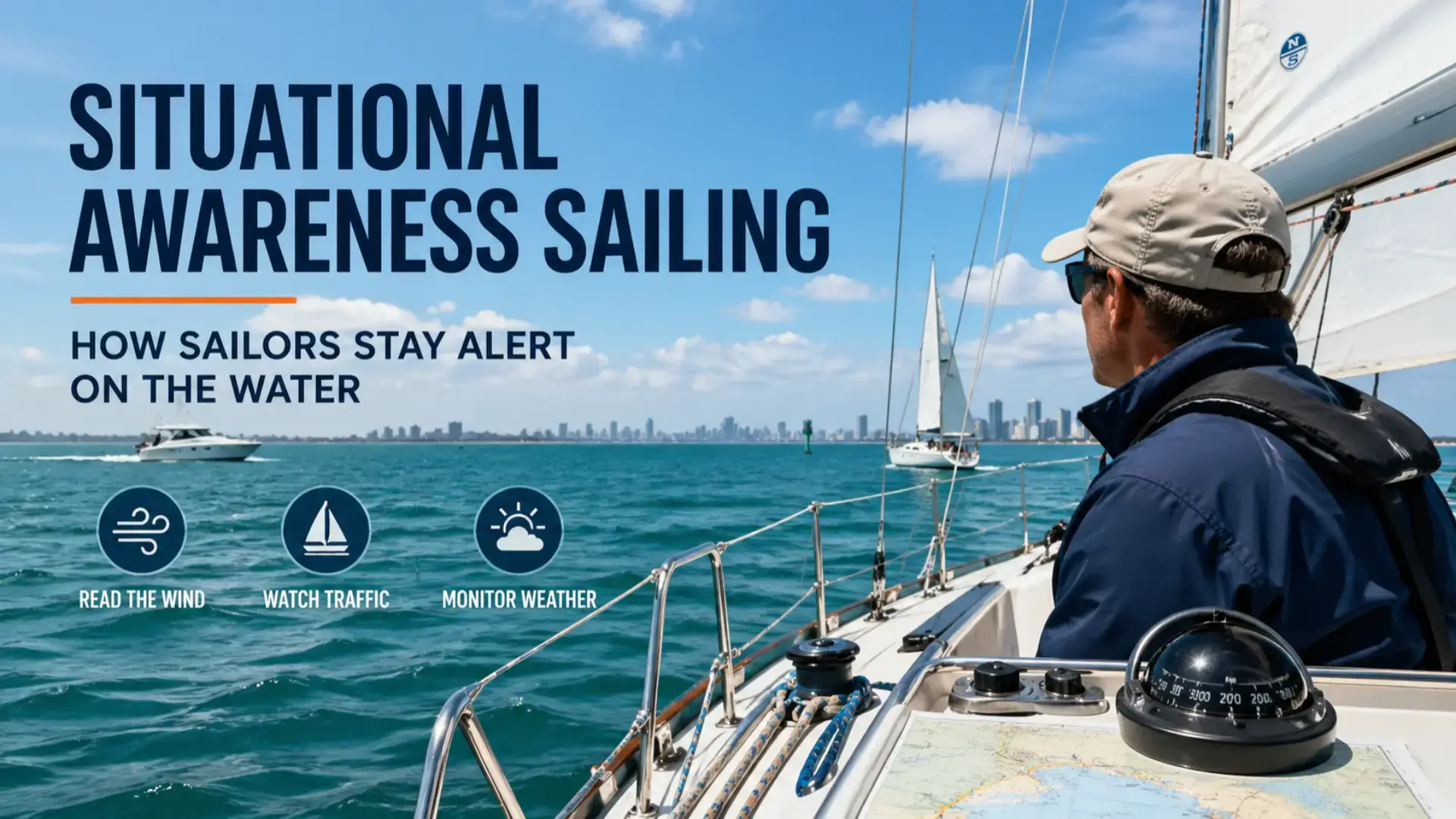
Situational awareness is one of the most important skills a sailor can develop. While sailing involves understanding wind, equipment, and navigation principles, experienced sailors also learn to constantly observe the environment around them. From subtle wind shifts to nearby boat traffic, situational awareness allows sailors to make better decisions and react quickly to changing conditions on the water.
In many ways, situational awareness is the foundation of good seamanship. Sailors who actively observe their surroundings can anticipate changes before they occur, reducing the likelihood of mistakes or dangerous situations. Whether sailing in open water or navigating busy coastal areas, maintaining awareness of environmental conditions helps sailors operate vessels safely and efficiently.
For most sailors, situational awareness develops gradually through training and time on the water. Sailing requires continuous observation of wind direction, wave patterns, other vessels, and weather conditions. By learning to recognize these cues early, sailors improve both their safety and their overall sailing performance.
Observing Wind and Water Conditions
Wind is the driving force behind every sailboat, and understanding how it behaves is essential for effective sailing. Skilled sailors learn to observe small changes in wind patterns across the water in order to anticipate how the boat will respond.
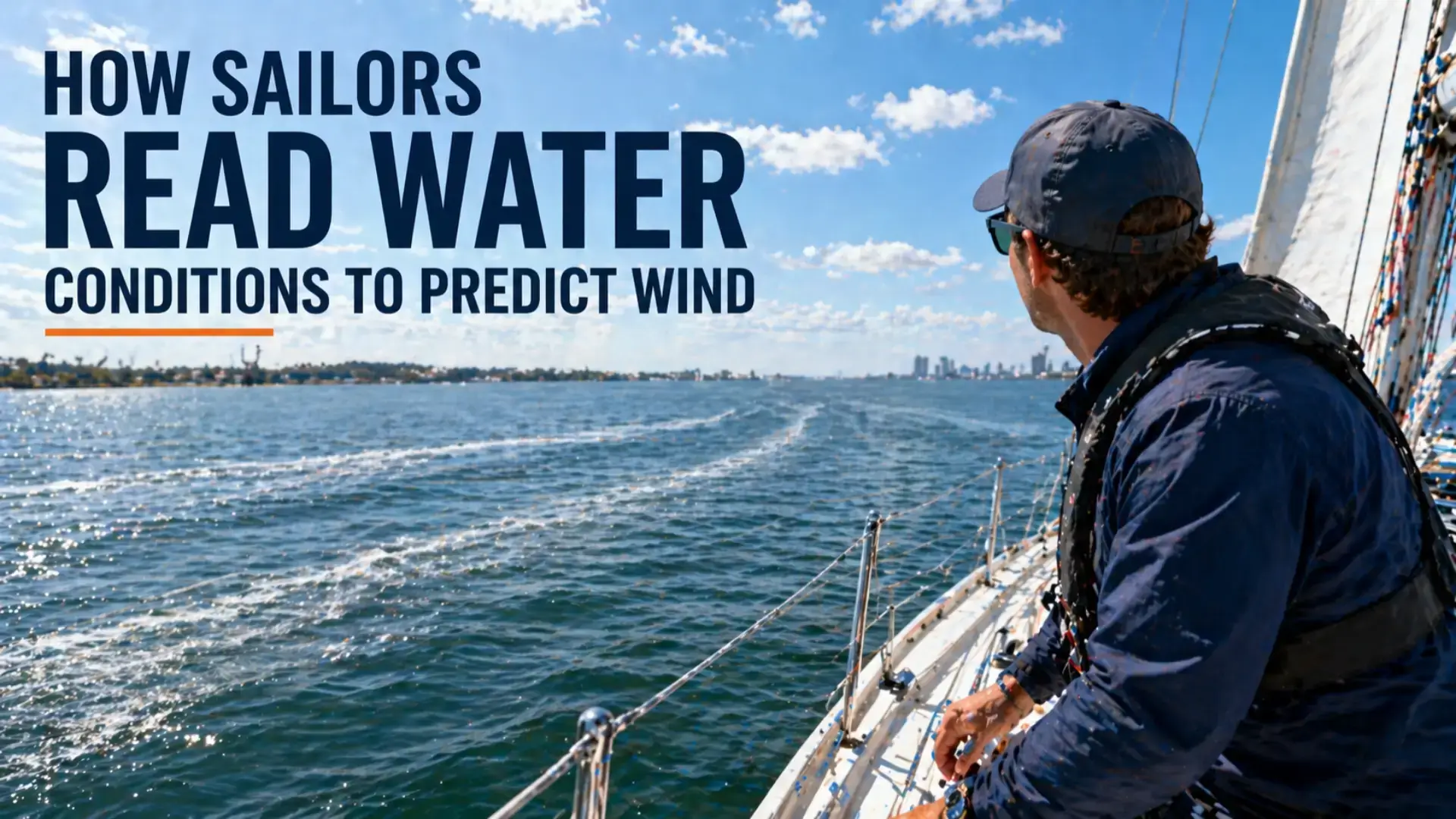
One of the most useful visual indicators of wind strength and direction is the surface of the water itself. Darker patches of water often indicate stronger wind, while smoother sections may suggest lighter wind conditions. These wind patterns move across the water and eventually reach the sailboat, providing valuable information about what conditions may develop in the next few moments.
Ripples and small wave patterns can also reveal changes in wind direction. As the wind shifts, the pattern of the water surface may change, signaling that adjustments to sail trim or course may soon be necessary.
Experienced sailors constantly monitor these subtle signals. By anticipating wind changes early, they can adjust sails gradually rather than reacting suddenly when conditions change.
Learning to read wind patterns on the water is one of the most valuable observational skills a sailor can develop.
Monitoring Boat Traffic and Surroundings
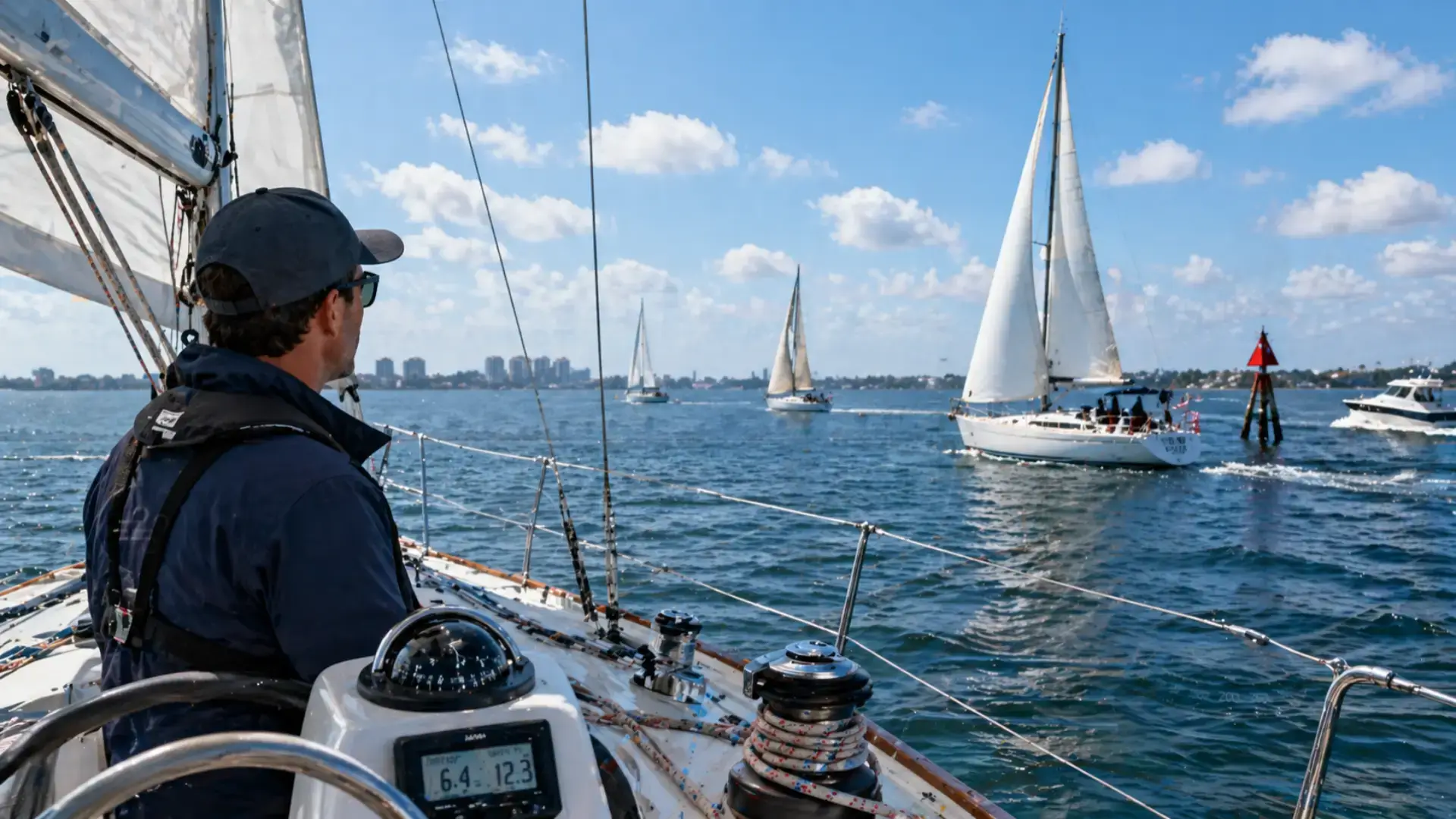
Situational awareness also involves maintaining a constant understanding of nearby vessels and navigational markers. Busy waterways often require sailors to adjust course or speed in order to safely share the water with other boats.
Experienced sailors frequently scan the horizon and surrounding area while sailing. This includes observing other vessels, navigation markers, and potential obstacles such as shallow areas or floating debris.
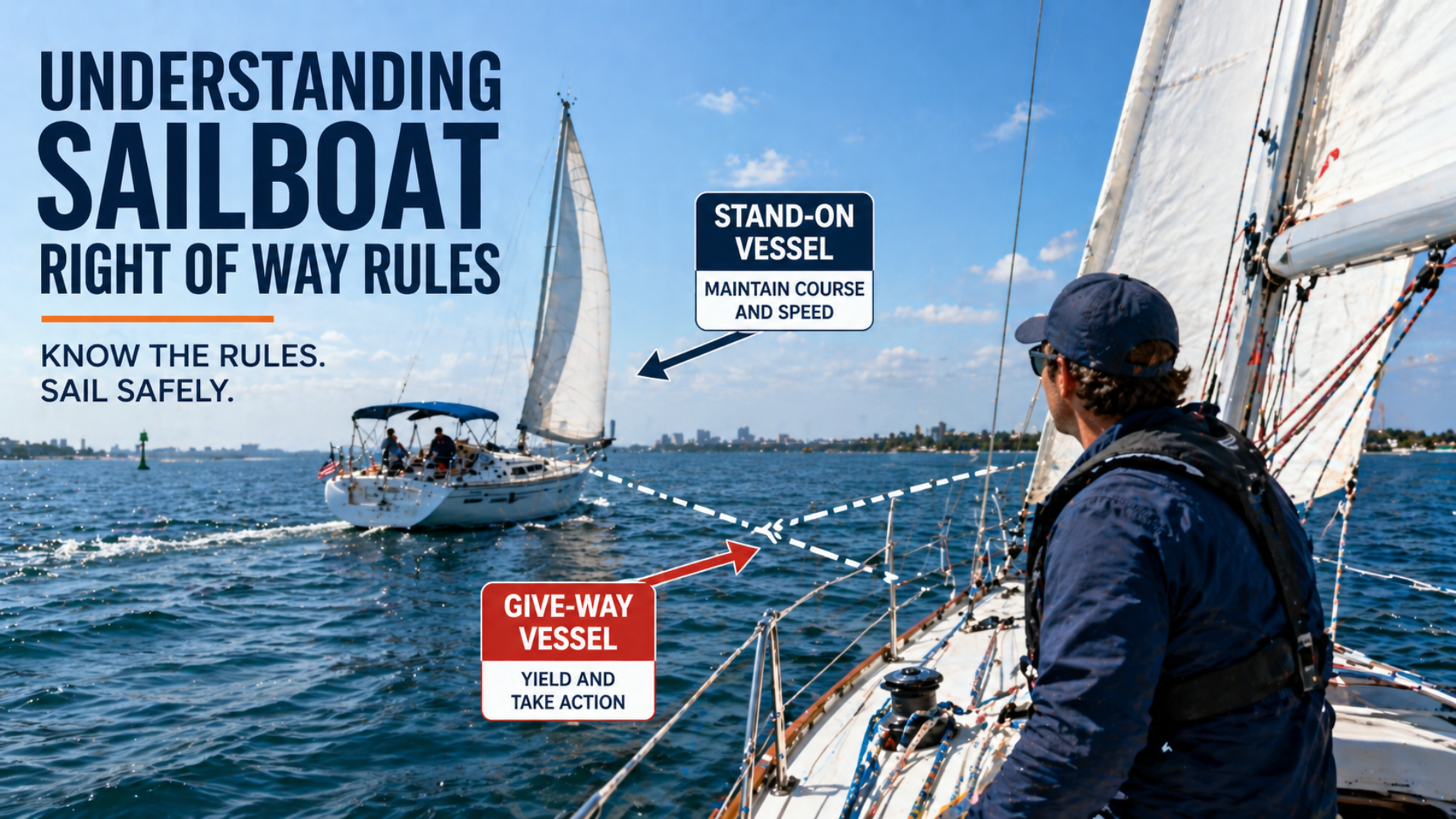
Maintaining awareness of surrounding boat traffic helps sailors follow navigation rules and avoid potential collisions. In many situations, a sailor must determine whether their vessel should maintain course or alter direction to prevent conflict with another boat.
This awareness also helps sailors maintain safe distances from other vessels while navigating crowded areas such as harbors, marinas, or coastal passages.
Regularly scanning the surrounding environment helps sailors stay ahead of potential hazards rather than reacting to them at the last moment.
Recognizing Changes in Weather
Weather awareness plays a major role in sailing safety. Conditions on the water can change quickly, particularly in coastal environments where local weather systems may develop rapidly.
Sailors often monitor cloud formations, wind shifts, temperature changes, and visibility while underway. Darkening clouds or sudden wind increases may signal approaching storms, while sudden calm conditions may indicate a temporary lull before changing weather.
Observing these signs allows sailors to make informed decisions about their sailing plan. In some situations, sailors may choose to adjust their route, reduce sail area, or return to harbor if weather conditions appear to be deteriorating.
Marine weather forecasts also play an important role in situational awareness. Reviewing forecasts before leaving the dock helps sailors understand the conditions they may encounter during their trip.
By combining forecast information with real-time environmental observations, sailors develop a more complete understanding of weather conditions on the water.
Understanding the Boat’s Behavior
Situational awareness is not limited to observing external conditions. Sailors must also pay attention to how the boat itself responds to wind and water.
Changes in boat speed, steering pressure, or sail shape can indicate shifting wind conditions or changes in water movement. For example, if a boat suddenly begins to heel more aggressively, it may indicate a gust of stronger wind approaching.
Similarly, if the sails begin to luff or lose power, the wind direction may have shifted slightly. Recognizing these signals allows sailors to make small adjustments before conditions significantly affect the boat.
Paying attention to the boat’s behavior helps sailors remain connected to the environment and maintain control of the vessel.
Using Navigation Markers and Landmarks
Situational awareness also involves understanding the surrounding environment through the use of navigation markers and visual landmarks. Buoys, day markers, and channel indicators provide important information about safe routes and potential hazards.
By identifying these markers and understanding their meaning, sailors can navigate more confidently through unfamiliar waters.
Landmarks along the shoreline also help sailors maintain orientation while sailing. Recognizing islands, buildings, or other geographic features allows sailors to verify their position and maintain awareness of their route.
These navigational observations become especially important in areas with heavy boat traffic or complex waterways.
Developing Awareness Through Practice
Situational awareness is a skill that improves with experience. The more time sailors spend on the water observing wind patterns, boat movement, and surrounding conditions, the more intuitive these observations become.
Sailing instruction often emphasizes the importance of active observation. Students are encouraged to regularly scan the environment, identify wind patterns, and monitor surrounding boat traffic.
Over time, these habits become second nature. Sailors who develop strong situational awareness can anticipate changes before they occur, allowing them to adjust sails, change course, or prepare for shifting conditions with confidence.
This ability to observe and interpret the environment is a hallmark of experienced sailors and a key component of safe and effective sailing.
Situational Awareness as a Core Seamanship Skill
Ultimately, situational awareness represents the combination of observation, experience, and judgment. Sailors who cultivate this skill are better prepared to respond to unexpected challenges while maintaining control of their vessel.
Organizations such as the American Sailing Association emphasize the importance of environmental awareness as part of responsible sailing instruction. By learning to interpret wind patterns, monitor surrounding traffic, and recognize changing weather conditions, sailors build the decision-making skills necessary for safe navigation.
For both beginner sailors and experienced mariners, developing situational awareness remains one of the most valuable steps toward becoming a confident and capable sailor.