

Ready For An Unforgettable Experience?

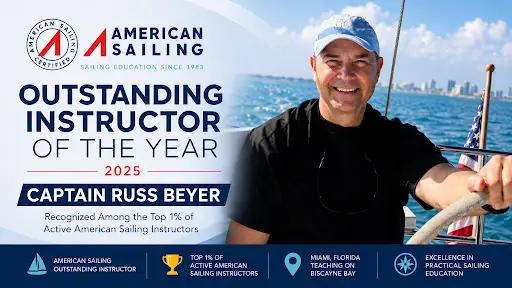
Captain Russ Beyer Named a 2025 American Sailing Outstanding Instructor Top 1% of Active-Status ASA Instructors Teaching on Biscayne Bay U.S. Coast Guard Licensed Captain Certified American Sailing Instructor Captain Russ Beyer Named a 2025 American Sailing Outstanding Instructor Recognized Among the Top 1% of Active-Status ASA Instructors Read the Announcement

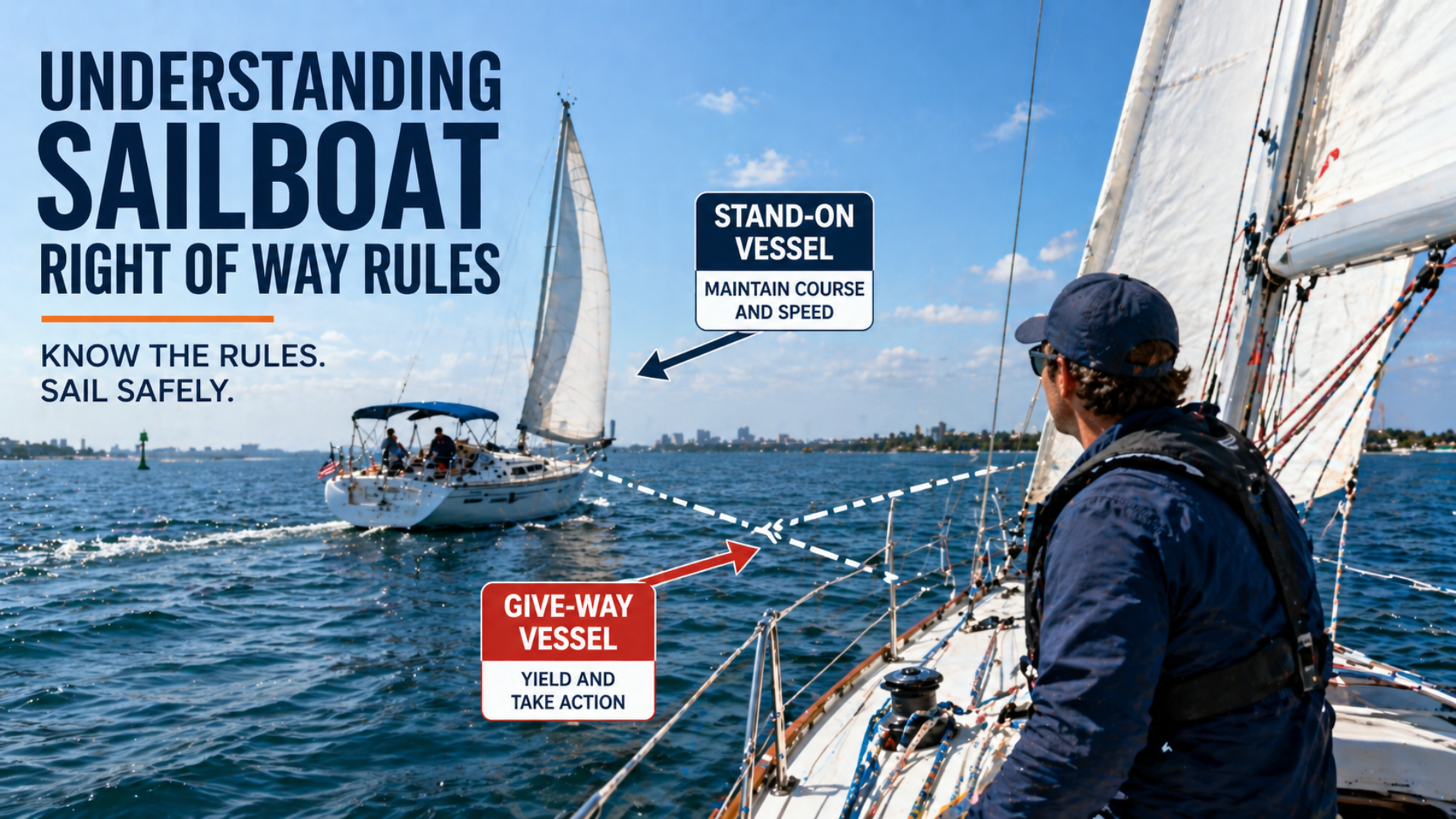
Understanding Sailboat Right of Way Rules

Sailing right of way rules help sailors understand who must yield and who can maintain course. These navigation rules are critical for avoiding collisions and ensuring safe movement on the water. Learning sailing right of way improves confidence and decision-making in busy conditions. This guide breaks down how these rules work and how to apply them in real situations.

Picture of Captain Russ Beyer

Captain Russ Beyer

Owner and Head Instructor

Understanding Right of Way Rules for Sailboats

Sailing safely requires more than knowing how to steer a boat or adjust sails. Sailors must also understand how vessels interact with one another when sharing waterways. Right of way rules provide a clear system that helps sailors avoid collisions and navigate safely around other vessels.


These navigation rules are used worldwide and apply to a wide range of vessels, including sailboats, powerboats, and commercial ships. By learning how these rules work, sailors can confidently navigate busy waters while maintaining safe distances from other boats.

The Purpose of Right of Way Rules

Right of way rules are designed to prevent confusion between vessels approaching each other on the water. When two boats are moving toward one another, these rules determine which vessel should maintain its course and which vessel should change direction.


Following these rules helps sailors communicate intentions through their actions rather than relying on verbal communication. This consistency allows sailors to anticipate how other vessels will behave and adjust their own course accordingly.
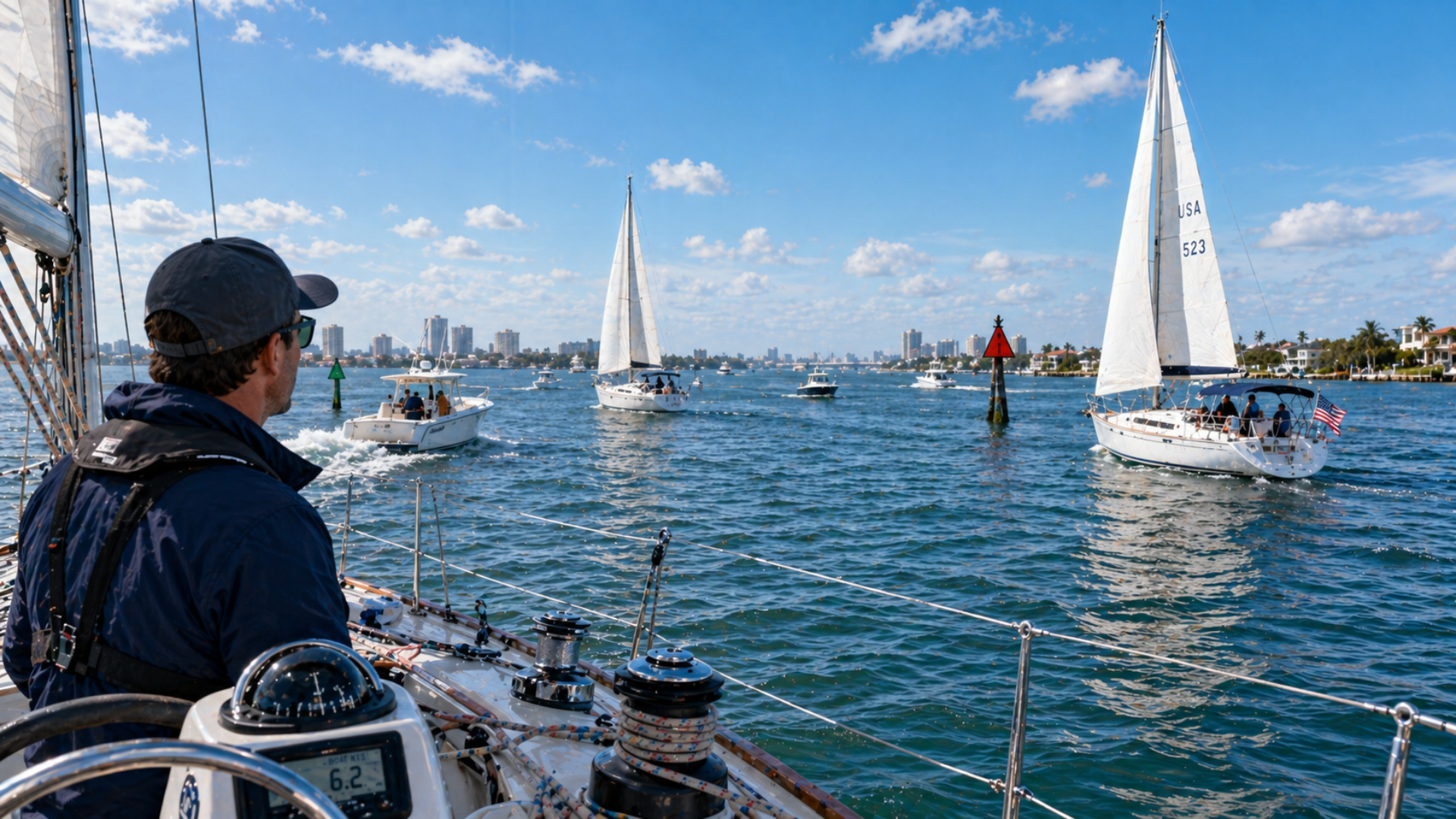
sailing right of way multiple boats navigating shared waterway

Stand On and Give Way Vessels

One of the most important concepts in navigation rules is understanding the difference between stand on vessels and give way vessels. The stand-on vessel is expected to maintain its course and speed, while the give way vessel must take action to avoid a potential collision.


Even when a vessel is considered the stand on vessel, sailors must remain alert and prepared to react if the other boat does not take appropriate action. Maintaining awareness helps ensure that both vessels pass safely.

Sailboats and Powerboats

When sailboats and powerboats encounter each other, navigation rules typically give sailboats priority because they rely on wind for movement. Powerboats, which have greater maneuverability, are generally expected to keep clear of sailing vessels.


However, there are exceptions. Sailboats must still avoid large commercial vessels, fishing boats actively working, and other vessels that may be restricted in their ability to maneuver. Understanding these situations helps sailors make responsible decisions on the water.

Maintaining Awareness on the Water

Right of way rules are only effective when sailors remain attentive to their surroundings. Observing nearby vessels, monitoring their direction of travel, and recognizing potential crossing paths all contribute to safer navigation.


Sailors who regularly review navigation rules and apply them during sailing practice develop stronger situational awareness and confidence. These skills allow sailors to operate safely while sharing waterways with many different types of vessels.
Additional Resources

Mastering the Seas with Miami Sailing School™

Ready to learn to sail today? Contact us and embark on your sailing adventure!

ASA Sailing Miami

Share:

Related Posts

sailing right of way boats crossing paths on open water

Understanding Sailboat Right of Way Rules

Sailing right of way rules help sailors understand who must yield and who can maintain course. These navigation rules are critical for avoiding collisions and ensuring safe movement on the water. Learning sailing right of way improves confidence and decision-making in busy conditions. This guide breaks down how these rules work and how to apply them in real situations.

Captain Russ Beyer recognized as a 2025 American Sailing Outstanding Instructor while teaching sailing students in Biscayne Bay

Captain Russ Beyer 2025 Outstanding Sailing Instructor

Captain Russ Beyer, owner and head instructor of Miami Sailing School™, has been recognized as a 2025 American Sailing Outstanding Instructor. The award honors the top 1% of active-status ASA instructors based on verified student evaluations and recognizes excellence in sailing education.

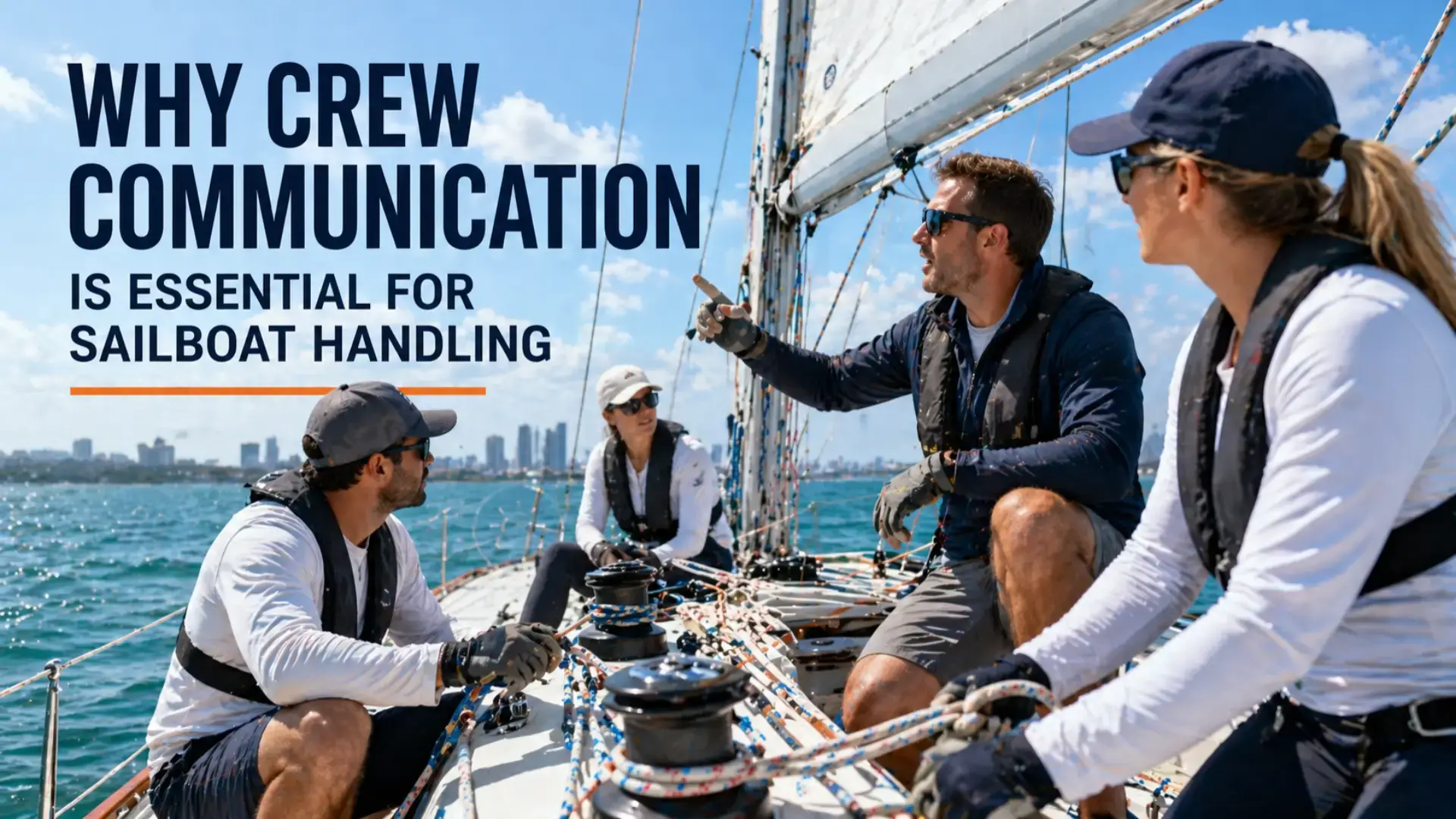
Crew communication sailing team coordinating on sailboat

Why Crew Communication Is Essential for Sailboat Handling

Crew communication sailing is critical for smooth and safe sailboat handling. Every maneuver depends on clear direction and coordinated teamwork between crew members. Strong crew communication sailing helps prevent mistakes and improves overall performance on the water. This guide explains why communication is essential and how it impacts sailing success.

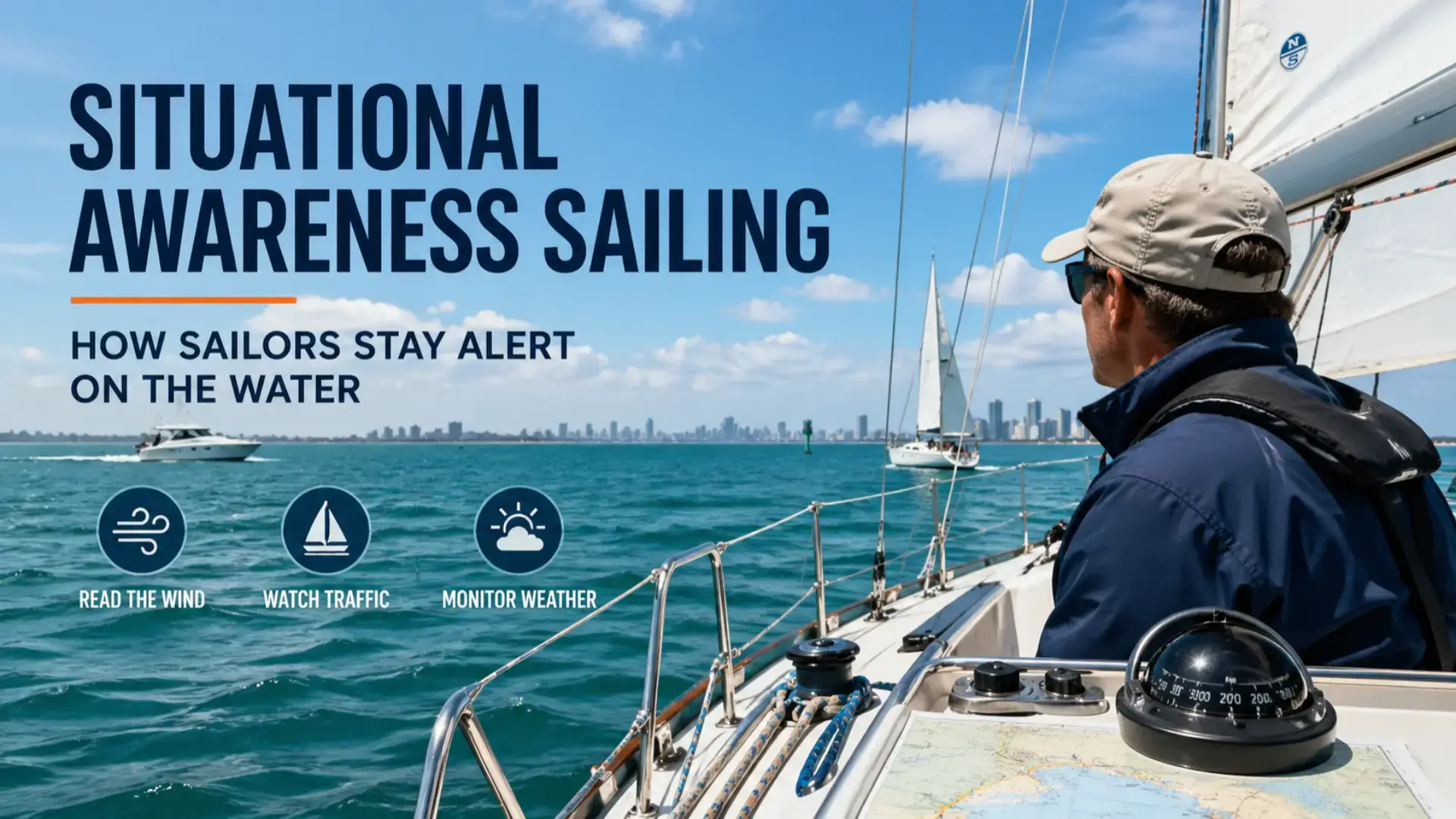
Situational awareness sailing reading wind and water conditions

Situational Awareness Sailing: How Sailors Stay Alert

Situational awareness sailing is essential for understanding everything happening around you on the water. From reading wind shifts to monitoring nearby boats, this skill helps sailors stay safe and in control. Developing situational awareness sailing allows you to anticipate changes before they become problems. This guide breaks down how sailors build this awareness and why it matters.

Biscayne Bay sailing near tropical shoreline during sailing lessons Miami

How to Choose Your First Sailing Course in Miami

Choosing your first sailing course is one of the most exciting decisions you’ll make as a new sailor. With warm weather, calm waters, and steady winds, Miami is one of the best places in the world to learn to sail—and selecting the right school and course can set the foundation for your entire sailing journey. For many first-time sailors, the process can feel overwhelming: What course should you start with? What certifications matter? How do you know if a school is reputable? What should you look for in an instructor or curriculum?