

Ready For An Unforgettable Experience?

Why Crew Communication Is Essential for Sailboat Handling

Crew communication sailing is critical for smooth and safe sailboat handling. Every maneuver depends on clear direction and coordinated teamwork between crew members. Strong crew communication sailing helps prevent mistakes and improves overall performance on the water. This guide explains why communication is essential and how it impacts sailing success.

Picture of Captain Russ Beyer

Captain Russ Beyer

Owner and Head Instructor

Why Crew Communication Is Essential for Sailboat Handling

Successful sailing relies on teamwork. While sailing often appears calm and effortless from a distance, effective boat handling requires coordination between crew members working together. Clear communication helps sailors perform maneuvers safely, respond to changing wind conditions, and maintain control of the vessel.


Crew communication becomes especially important when performing tasks such as adjusting sails, changing course, docking, or navigating busy waterways. When each person on board understands their role and communicates clearly with the rest of the crew, sailing operations become smoother and more efficient.

Coordinating Sail Adjustments

Sailboats rely on constant adjustments to maintain balance and speed. When wind direction or strength changes, crew members often need to adjust sails, lines, or steering to keep the boat performing well.


Clear communication between the helm and the crew helps ensure that sail adjustments happen smoothly. When instructions are communicated clearly and acknowledged by crew members, sailors can complete
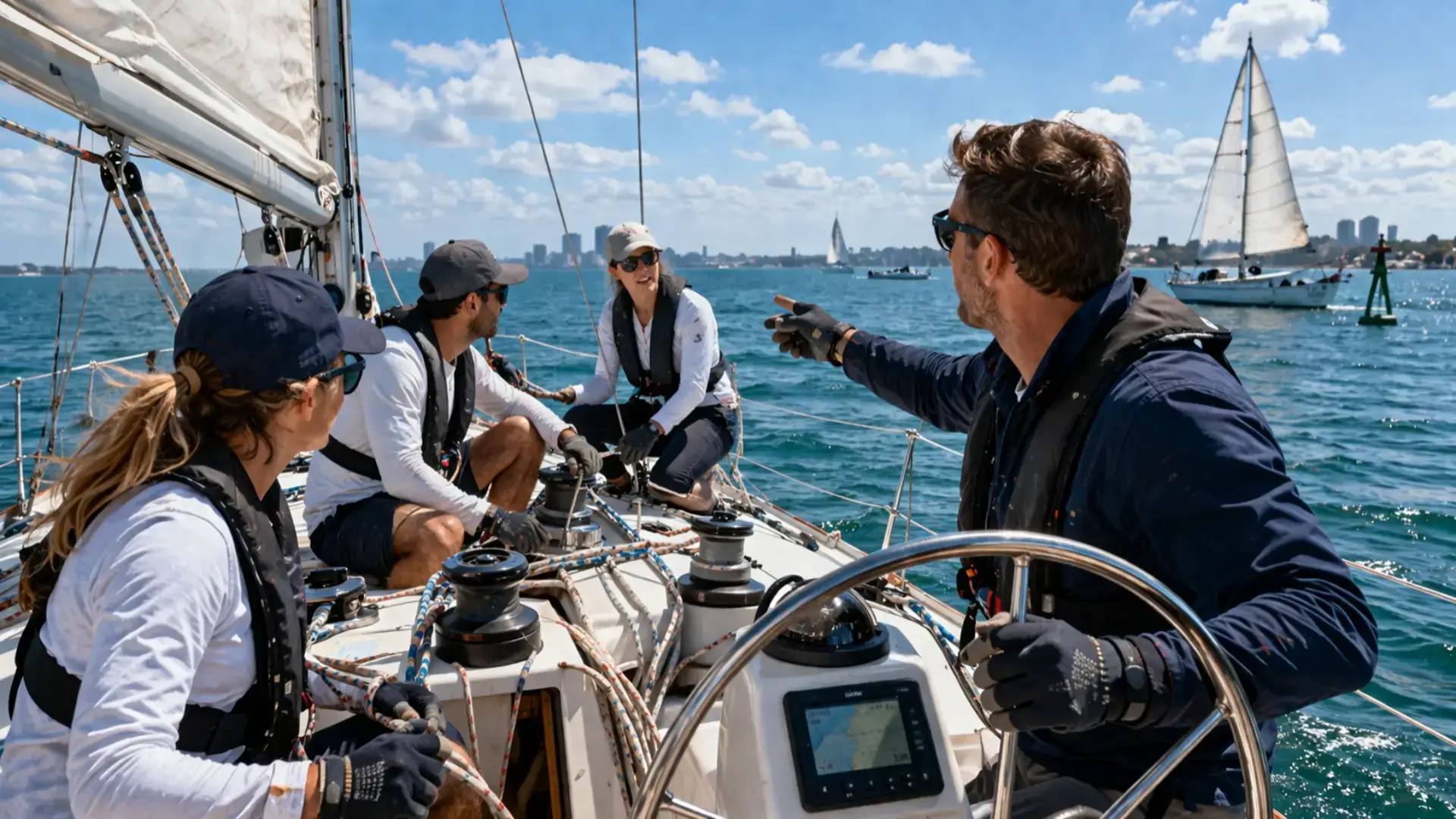
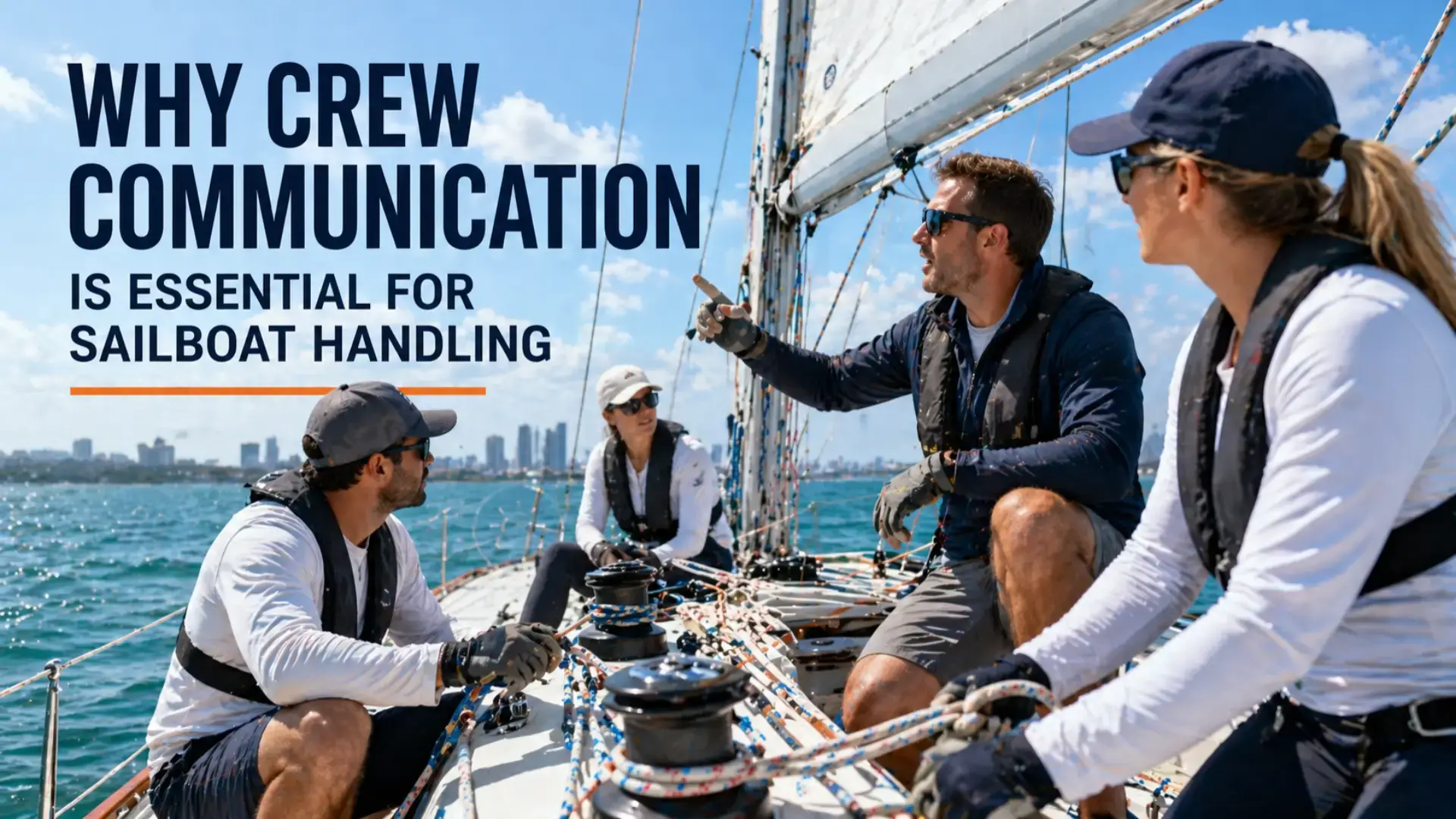
Crew communication sailing coordinating maneuvers on water

Supporting Safe Maneuvers

Certain sailing maneuvers require precise coordination between crew members. Actions such as tacking, jibing, or docking involve multiple steps that must be performed in the correct sequence.


Effective communication allows crew members to prepare for these maneuvers and respond at the right time. By announcing upcoming actions and confirming readiness, crews can avoid confusion and reduce the risk of mistakes during critical moments.

Maintaining Awareness on the Water

Communication also plays an important role in maintaining situational awareness. Crew members often act as additional sets of eyes on the water, helping the helm monitor surrounding vessels, wind conditions, and navigational markers.


When crew members share observations about wind shifts, approaching boats, or other environmental changes, the entire crew benefits from improved awareness. This teamwork helps sailors respond quickly to changing conditions.

Developing Strong Teamwork Skills

Sailing provides an opportunity for individuals to develop strong teamwork skills. As crew members learn to communicate clearly and work together, they gain confidence in their ability to manage the boat and support one another during sailing activities.


Structured sailing instruction often emphasizes communication as an important part of seamanship training. By practicing clear communication during lessons and sailing sessions, students develop habits that support safe and effective sailing.

Additional Resources

Mastering the Seas with Miami Sailing School™

Ready to learn to sail today? Contact us and embark on your sailing adventure!

ASA Sailing Miami

Share:

Related Posts

Crew communication sailing team coordinating on sailboat

Why Crew Communication Is Essential for Sailboat Handling

Crew communication sailing is critical for smooth and safe sailboat handling. Every maneuver depends on clear direction and coordinated teamwork between crew members. Strong crew communication sailing helps prevent mistakes and improves overall performance on the water. This guide explains why communication is essential and how it impacts sailing success.

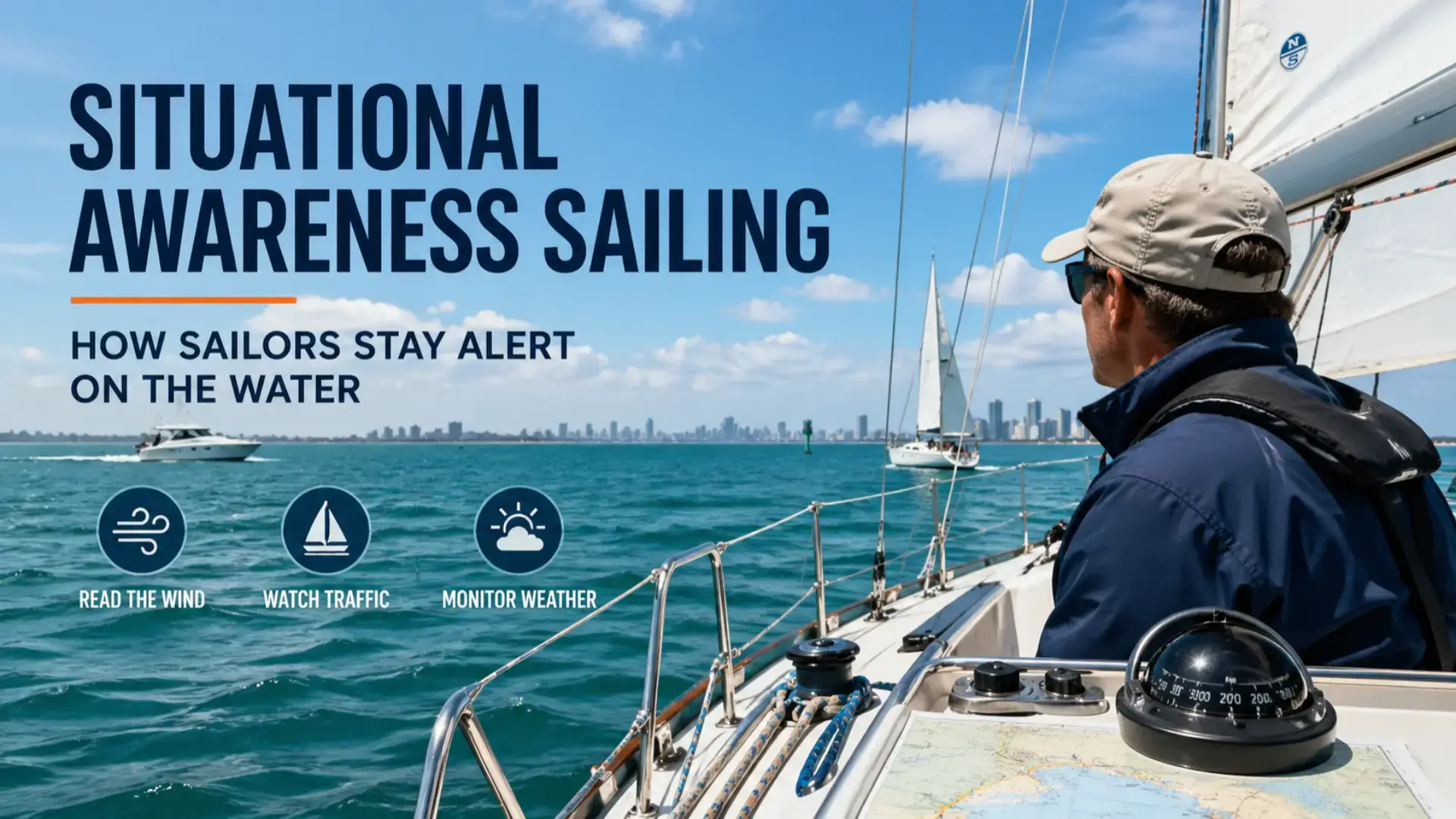
Situational awareness sailing reading wind and water conditions

Situational Awareness Sailing: How Sailors Stay Alert

Situational awareness sailing is essential for understanding everything happening around you on the water. From reading wind shifts to monitoring nearby boats, this skill helps sailors stay safe and in control. Developing situational awareness sailing allows you to anticipate changes before they become problems. This guide breaks down how sailors build this awareness and why it matters.

Biscayne Bay sailing near tropical shoreline during sailing lessons Miami

How to Choose Your First Sailing Course in Miami

Choosing your first sailing course is one of the most exciting decisions you’ll make as a new sailor. With warm weather, calm waters, and steady winds, Miami is one of the best places in the world to learn to sail—and selecting the right school and course can set the foundation for your entire sailing journey. For many first-time sailors, the process can feel overwhelming: What course should you start with? What certifications matter? How do you know if a school is reputable? What should you look for in an instructor or curriculum?

Biscayne Bay sailing with sailboat near Miami skyline during sailing lessons Miami

Biscayne Bay sailing: Why it’s the Perfect Training Ground for Sailors

Biscayne Bay is widely recognized as one of the most effective environments in the United States for learning how to sail. Located along the Miami coastline, the bay offers protected waters, steady winds, clear navigation channels, and year-round sailing conditions. These characteristics make it an ideal training environment for beginner sailors as well as experienced mariners developing advanced seamanship skills.